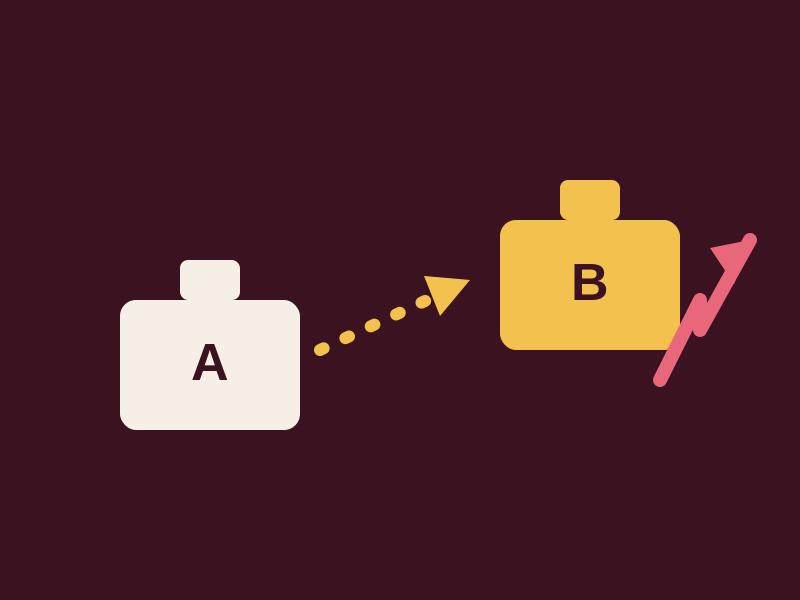
The job switching salary increase in Australia is real, and it’s bigger than most people expect: 10 to 20%. That’s according to a report published by Jobs and Skills Australia in July 2026, tracking how Australians actually move between jobs.
The data goes further than pay alone. People who switch jobs also tend to land at more productive companies, on average 13.1% more productive than the one they left. Research consistently links moving roles to faster wage growth than staying in place.
What This Job Switching Salary Increase in Australia Actually Means
If you’ve been in the same company for two or three years, done solid work, and your pay hasn’t moved much, this data is telling you something. The people getting ahead financially are often the ones willing to make a move, not the ones waiting to be noticed.
That doesn’t mean job-hop for the sake of it. It means treating your CV and LinkedIn as live documents, not something you update once every few years when you’re desperate.
What This Means If You’re on a Visa
This general trend applies differently depending on your visa. If you’re on a 189, 190, or 491 visa, you’re generally free to change employers, so this data is directly useful to you. If you’re on a 482 or the newer Skills in Demand visa, your work rights are usually tied to your sponsoring employer, so switching means starting a new sponsorship process, not just handing in notice.
Either way, the underlying lesson holds. Whenever you are free to move, staying passive costs you money over time.
How to Act on This
A few practical steps if this data applies to your situation:
- Keep your CV updated every few months, not just when you’re job hunting
- Track your market rate using SEEK or Glassdoor so you know if you’re behind
- Build your LinkedIn network before you need it, not after
- If you’re eligible to move, treat two or three years in one role as a natural checkpoint to review your options, not a reason to feel stuck
If you’re building your case for a move, DreamShift’s guide on using internal referrals to get a job in Australia covers how to get in front of hiring managers without cold applying. And if you’re in IT specifically, our breakdown of the upskilling resources for migrants in Australia shows exactly where the demand and pay are heading. DreamShift’s career support team can also help you get your CV and LinkedIn ready before you start looking.
How Big Is the Job Switching Salary Increase in Australia by Industry?
The report doesn’t promise the same bump everywhere. Sectors with tighter skills shortages, like IT, engineering, and healthcare, tend to sit at the higher end of that 10 to 20% range, since employers compete harder to poach experienced staff. Slower-moving industries may sit closer to the lower end. Either way, the direction is consistent: staying still rarely outpaces moving when the market rewards mobility this clearly.
FAQ on Job Switching and Salary Growth in Australia
Does this apply to every industry?
The report looks at job mobility broadly across the labour market, so the exact size of the pay bump varies by industry and occupation. But the overall pattern, that switching roles tends to outpace staying put, holds across most sectors.
Is job switching risky during a slower job market?
It carries more risk than in a hot market, but the data still shows movers coming out ahead on average. The key is timing your move around a strong CV and a clear case for why you’re leaving, not switching without a plan.
Source: Occupation Mobility and Labour Market Efficiency, Jobs and Skills Australia, July 2026